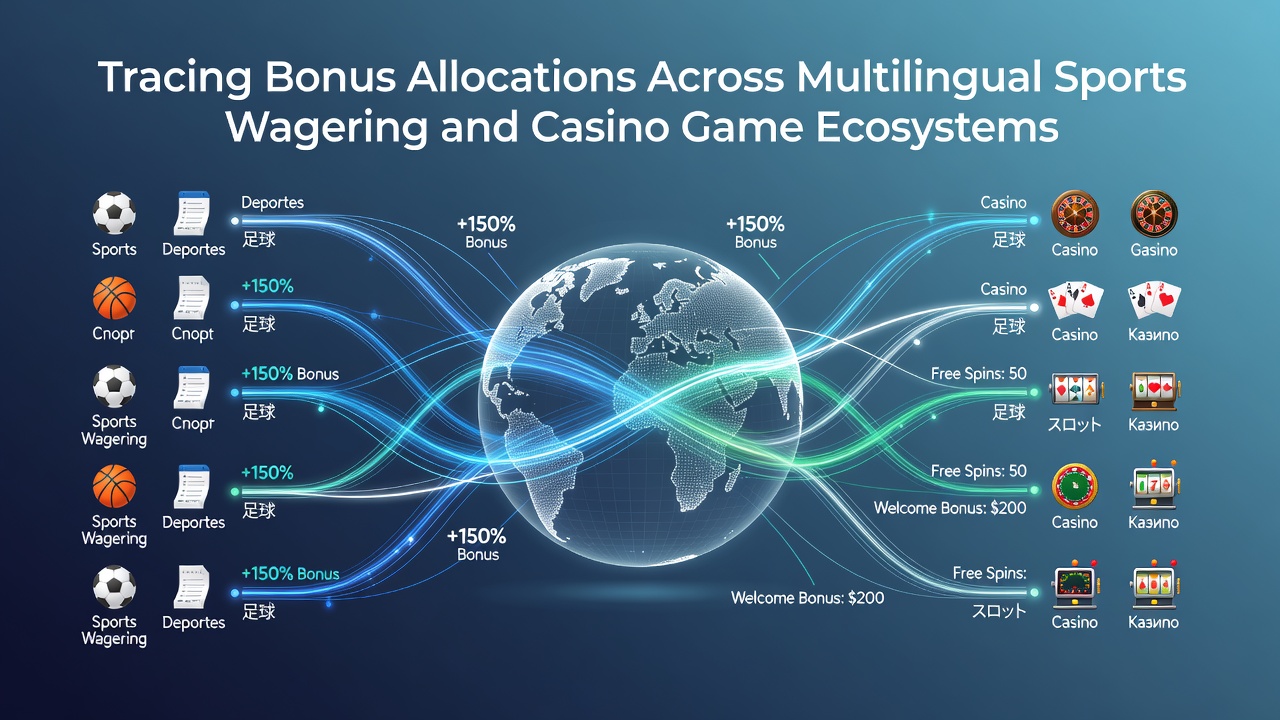
Tracing Bonus Allocations Across Multilingual Sports Wagering and Casino Game Ecosystems
Digital wagering platforms now operate across dozens of languages while managing bonus funds that move between sports betting markets and casino game libraries, and tracing these allocations requires detailed mapping of transaction records that cross linguistic and regulatory boundaries. Systems record every credit assignment in structured logs that account for currency conversions and regional compliance rules, yet the multilingual interface adds layers where identical bonus terms receive different numerical identifiers depending on the selected language pack.
Mapping Bonus Flows in Integrated Wagering Environments
Operators assign bonuses through centralized ledgers that tag each allocation with metadata including language preference, game category, and expiration parameters, and these tags allow auditors to follow funds as they convert from welcome credits into wager requirements or cashable amounts. Data from the European Gaming and Betting Association indicates that bonus volumes processed through multilingual interfaces rose steadily through mid-2026, with sports wagering accounts receiving roughly 62 percent of new allocations while casino sections absorbed the remainder in the form of free spins or deposit matches. Observers note that September 2026 brought updated reporting standards in several jurisdictions that required platforms to export allocation histories in standardized formats compatible with automated reconciliation tools.
Language-Specific Tagging and Allocation Accuracy
Each supported language triggers distinct bonus rule sets that platforms must encode separately, and mismatches between the displayed terms and backend tracking codes have led some providers to implement real-time validation scripts that flag discrepancies before credits reach player accounts. Researchers at institutions studying digital commerce patterns have documented cases where Spanish-language interfaces in Latin American markets allocated sports betting bonuses at higher average values than their English counterparts on the same platform, largely because promotional calendars aligned with local football seasons. These differences appear in transaction logs as separate line items even when the underlying promotional campaign shares a common identifier across regions.
But here's the thing: when a player switches languages mid-session, the system must preserve the original allocation parameters or risk creating duplicate entries that complicate later audits, and several major platforms introduced language-lock features in 2025 to prevent such shifts from altering active bonus balances.
Sports Wagering Allocations Versus Casino Game Distributions
Sports betting bonuses typically carry rollover requirements tied to specific event types such as football or tennis, whereas casino allocations often link to volatility metrics of individual slots or table games, and tracing tools must therefore maintain separate rule engines that interpret these requirements without cross-contaminating the two categories. Figures from the Alcohol and Gaming Commission of Ontario reveal that sports wagering accounts in bilingual Canadian markets showed a 14 percent higher rate of bonus conversion into settled bets during the first half of 2026 compared with casino-only accounts, a pattern attributed to shorter event cycles that allow faster completion of wagering conditions.
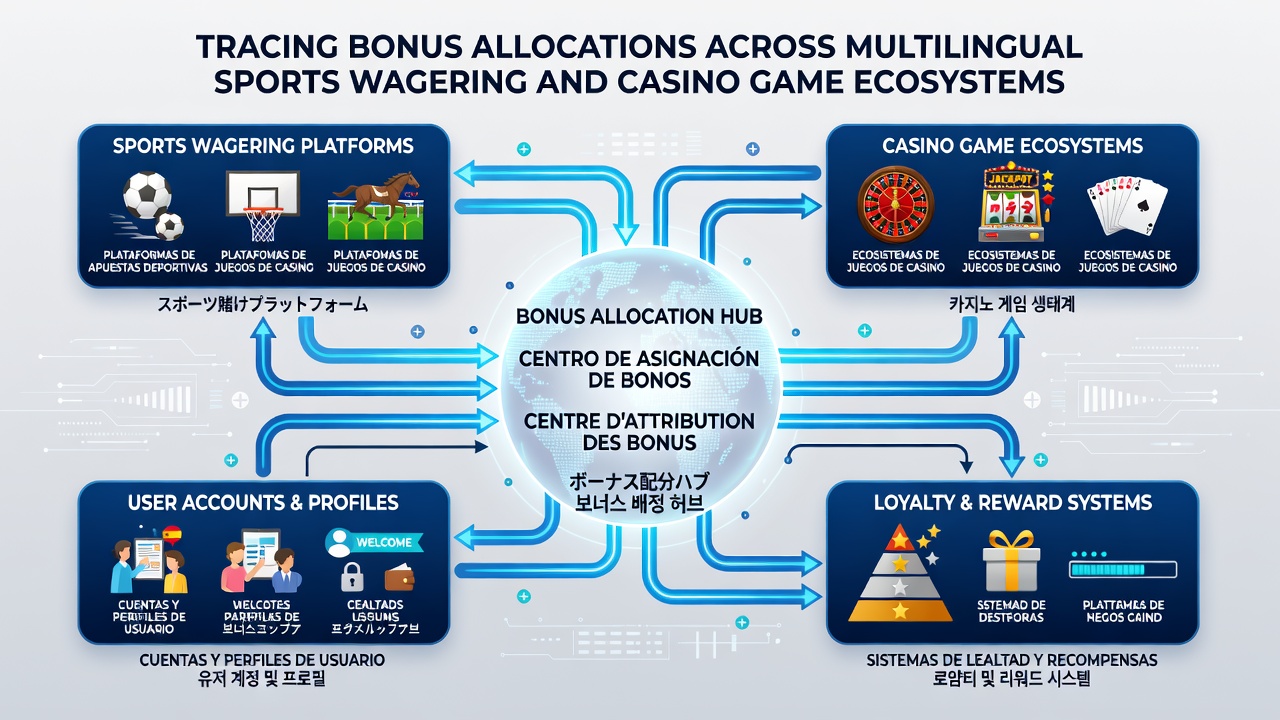
Those who've examined platform architectures know that casino bonus tracking frequently incorporates random number generator seeds and session timestamps that sports systems do not require, creating parallel but non-identical data structures that reconciliation software must align through common player identifiers rather than shared game metadata.
Regulatory Reporting Requirements and Cross-Border Data Handling
Authorities in multiple regions now demand exportable reports that list every bonus allocation by language code and product vertical, and platforms serving both European and Asia-Pacific users have invested in unified dashboards capable of generating these reports on demand. A University of Nevada research brief published in early 2026 highlighted how time-zone differences between markets can shift the recorded date of bonus activation by up to 18 hours, necessitating careful timestamp normalization before any cross-jurisdictional comparison occurs. Operators therefore embed UTC offsets directly into allocation records so that September 2026 compliance filings reflect accurate chronological sequences regardless of the player's preferred language interface.
Conclusion
Tracing bonus allocations across multilingual sports wagering and casino ecosystems ultimately depends on consistent metadata tagging, synchronized rule engines, and regulatory-grade reporting exports that accommodate both linguistic variation and product-specific requirements. Platforms that maintain these elements produce auditable trails capable of satisfying oversight bodies while supporting continued expansion into additional language markets.