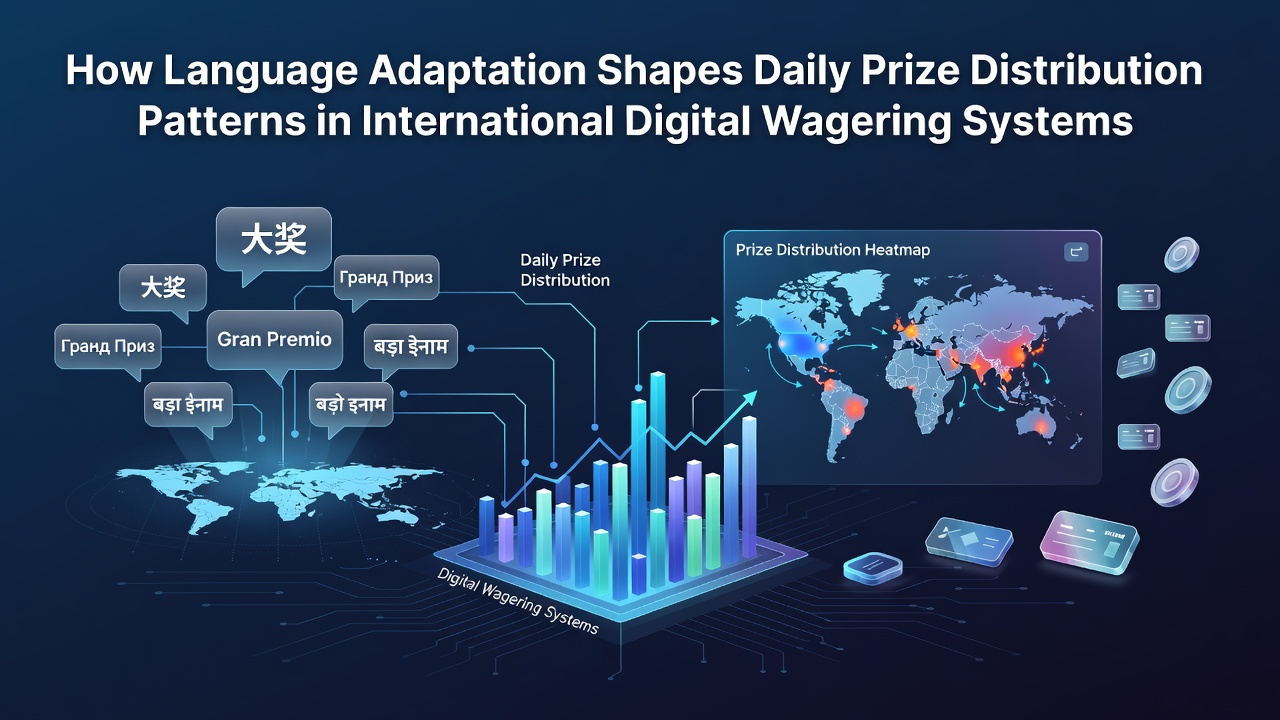
How Language Adaptation Shapes Daily Prize Distribution Patterns in International Digital Wagering Systems
International digital wagering platforms rely on language adaptation to connect with users across borders, and this process directly influences how daily prizes reach participants in different regions. Systems adjust interfaces, promotional text, and claim procedures into multiple languages, which in turn affects user activity timing and prize allocation volumes throughout each day.
Core Mechanisms of Language Adaptation
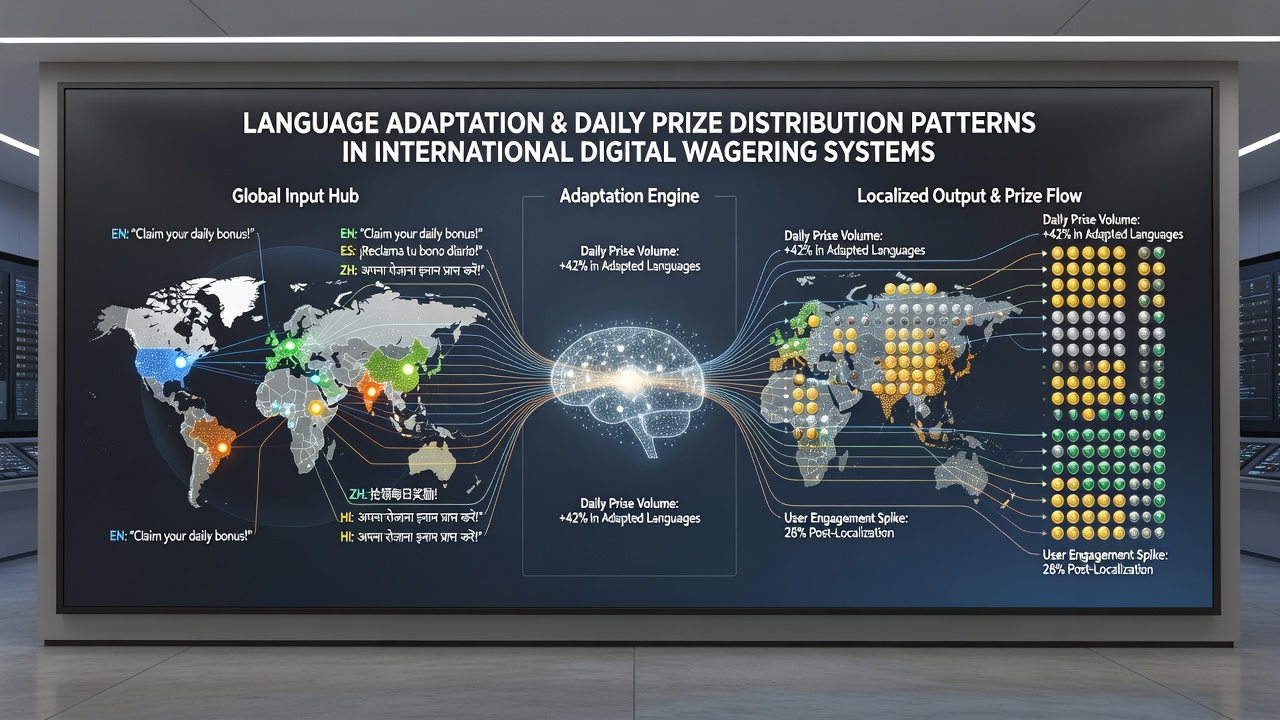
Language adaptation involves more than simple translation, since platforms modify terminology, currency displays, and time zone references to match local expectations, and these changes guide when users log in, place wagers, and claim winnings. Data from major operators shows that localized content increases session duration in target markets by aligning with natural language patterns, while unadapted systems experience lower engagement rates during peak local hours.
Researchers track these effects through server logs that record language selection alongside prize claim timestamps, revealing consistent correlations between specific linguistic interfaces and shifts in daily distribution curves. For instance, platforms serving Spanish-speaking users in Latin America often see elevated activity in evening hours that differ from patterns observed among English or Mandarin users in other zones.
Observed Distribution Patterns by Language Region
Daily prize pools release at set intervals, yet language adaptation alters the speed and volume of claims within those windows, because users respond faster to familiar phrasing in promotions and payout instructions. Figures from international operators indicate that adapted Spanish and Portuguese interfaces in South American markets produce earlier daily claim peaks compared with non-adapted versions, while Asian language adaptations frequently concentrate claims later in the cycle due to differing cultural time preferences.
Studies from the Australian Institute of Criminology document similar regional variations, where localized English variants for Australian users align prize distributions with local evening hours, whereas the same systems serving European users show morning-oriented patterns once language elements match regional dialects. These adjustments create measurable daily cycles that operators monitor to balance prize reserves across time zones.
Regulatory and Technical Influences
Government bodies in Canada and Australia require operators to maintain accurate localized information for responsible gambling notices, which forces platforms to synchronize language updates with regulatory calendars. The iGaming Ontario framework, for example, mandates that prize claim details appear clearly in both English and French, and compliance with these rules has produced documented changes in daily claim volumes for bilingual Canadian users since the standards took effect.
Technical systems use content management tools that push language updates simultaneously across regions, yet staggered rollouts still occur when regulatory approvals differ by jurisdiction. In August 2026, several major platforms completed multilingual expansions that coincided with observed realignments in daily prize distribution timing across European and North American markets, as new language layers came online during the same period.
Regional Case Comparisons
One documented example involves a platform serving both Japanese and Korean users, where adaptation of prize notification language shifted average claim times by several hours compared with the previous generic interface. Observers note that similar patterns emerge in European markets, where German and Italian language versions produce distinct daily peaks once operators incorporate local idioms for bonus terms and withdrawal steps.
Industry reports compiled by the European Gaming and Betting Association highlight how these language-driven shifts require operators to maintain flexible reserve systems that adjust prize availability based on real-time language selection data. Platforms that fail to adapt see slower claim rates and higher rollover into subsequent days, which alters overall distribution statistics tracked by regulators.
Conclusion
Language adaptation continues to refine daily prize distribution patterns by aligning system interfaces with user expectations across international markets, and ongoing regulatory requirements ensure these adjustments remain tied to verifiable data on claim behavior. Operators monitor these patterns through combined language and timing analytics, which allows precise allocation of daily prizes while meeting compliance standards in multiple regions.