
Decoding the Algorithms Behind Progressive Reward Systems in Cross-Cultural Gaming Portals
Progressive reward systems in cross-cultural gaming portals operate through layered algorithms that combine random number generation with dynamic pool allocation and player segmentation models, and these mechanisms adjust contribution rates from each wager to build escalating prize structures while maintaining compliance across jurisdictions. Observers note that core components include a base seed amount, percentage-based increments from bets, and trigger thresholds determined by pseudorandom sequences tested against regulatory standards. Data from multiple regions shows these systems process thousands of transactions per second during peak periods, with adjustments for currency conversion and local tax rules integrated directly into the allocation logic.
Core Algorithmic Components in Progressive Pools
Researchers describe the foundation as a combination of linear contribution formulas and cryptographic random number generators certified by independent testing labs, whereas the pool grows incrementally until a qualifying win condition activates payout. Experts have observed that contribution percentages typically range from 1 to 5 percent of each eligible bet, and these rates can shift based on volume thresholds or time-based decay functions to prevent indefinite accumulation. In September 2026 updates to several platforms incorporated new variance controls that cap maximum pool sizes in certain markets, reflecting data patterns collected over the prior year from operators in Europe and Asia-Pacific regions.
Those who analyze transaction logs find that machine learning layers overlay the base RNG to predict player engagement spikes and redistribute contribution weights across game categories, and this occurs without altering the certified randomness of individual outcomes. Studies from academic institutions indicate segmentation occurs by grouping users according to historical play frequency, average stake size, and geographic origin, allowing the system to apply different escalation curves while preserving fairness metrics verified through statistical audits.
Regional Compliance and Data Segmentation
Cross-cultural portals integrate regulatory parameters at the database level so that operators in one market see different pool visibility rules than those in another, and this customization extends to eligibility filters that exclude certain bet types or player tiers. According to information published by the Australian Communications and Media Authority, progressive systems must log every contribution event with timestamps and player identifiers for audit trails that span multiple years. Similar requirements appear in Canadian provincial frameworks, where data segmentation also accounts for age verification and responsible gaming flags before rewards activate.
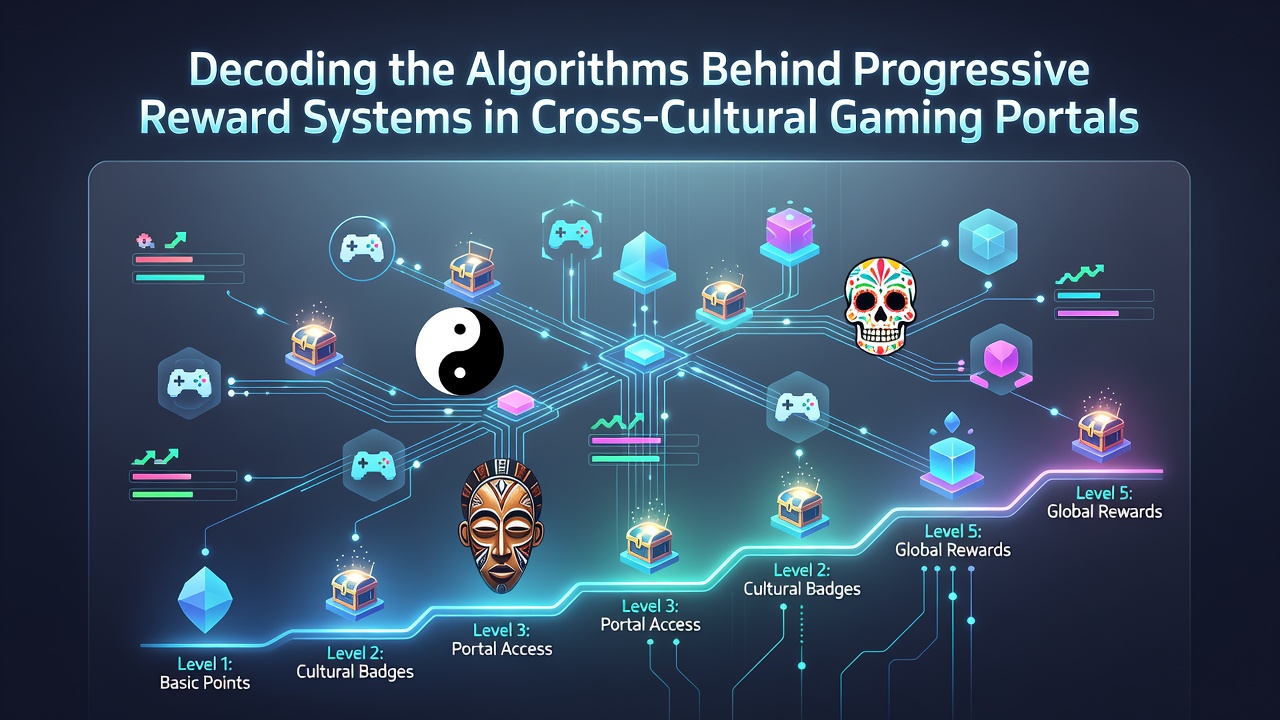
What's interesting is how operators apply weighted multipliers for players from high-volume regions while simultaneously applying caps mandated by local law, and this dual-layer approach requires real-time reconciliation engines that cross-reference user profiles against jurisdiction databases. Observers note that latency under 200 milliseconds remains standard for these calculations even when handling simultaneous sessions from dozens of countries. Figures released in industry reports show average pool growth rates of 12 to 18 percent monthly in multi-jurisdiction environments during 2025, with September 2026 projections adjusting for new tax reporting protocols in several markets.
Integration of Behavioral Analytics
Algorithms incorporate anonymized behavioral signals such as session duration and game preference patterns to modulate reward visibility without changing payout probabilities, and this layer helps portals tailor promotional overlays for different cultural groups. Research indicates that clustering methods group similar player profiles across borders, enabling the system to test incentive variations in controlled segments before broader rollout. Those who've examined source code structures report that decision trees route these adjustments through separate compliance modules for each active jurisdiction, preventing conflicts between rulesets.
But here's the thing: the same underlying RNG seed can feed multiple progressive tiers simultaneously, with separate contribution streams allocated to daily, weekly, and lifetime reward ladders, and operators track these streams through separate ledger entries that feed into consolidated reporting dashboards. Data shows that cross-cultural implementations often include fallback logic that defaults to the strictest applicable regulation when a player account spans multiple regions.
Conclusion
Progressive reward systems in cross-cultural gaming portals rely on interconnected algorithmic layers that balance randomness, contribution mechanics, and jurisdictional constraints, with ongoing refinements documented through 2026. Evidence from regulatory filings and technical audits continues to shape how these platforms allocate and display escalating prizes across diverse markets.